Tuktut Nogait National Park
Far above the Arctic Circle in the Northwest Territories, Tuktut Nogait National Park protects one of Canada’s most remote Arctic landscapes, shaped by migrating caribou, deep river canyons, and open tundra stretching toward the Beaufort Sea.
The park’s name means “young caribou” in Inuvialuktun, reflecting the importance of the Bluenose-West herd that moves through this Region each year. With vast terrain and very few visitors, it offers a rare sense of Northern wilderness and quiet scale.
For travellers researching Tuktut Nogait National Park, Arctic wilderness, caribou migration, and wildlife viewing in the Western Arctic, this is a destination defined by movement and ecology.
A Landscape Shaped by Migration
Tuktut Nogait National Park is one of the most important areas for caribou migration in the Western Arctic, particularly the Bluenose-West herd.
Each spring and summer, caribou move across tundra calving grounds within and around the park, shaping seasonal wildlife patterns across the region. Arctic fox, wolves, grizzly bears, and migratory birds also follow these routes through the Northern landscape.
Unlike staged viewing areas, wildlife viewing in Tuktut Nogait National Park happens naturally while moving through the land, across valleys, tundra plateaus, and river corridors. Encounters are part of travel through the environment.
Canyons, Rivers, and Arctic Terrain
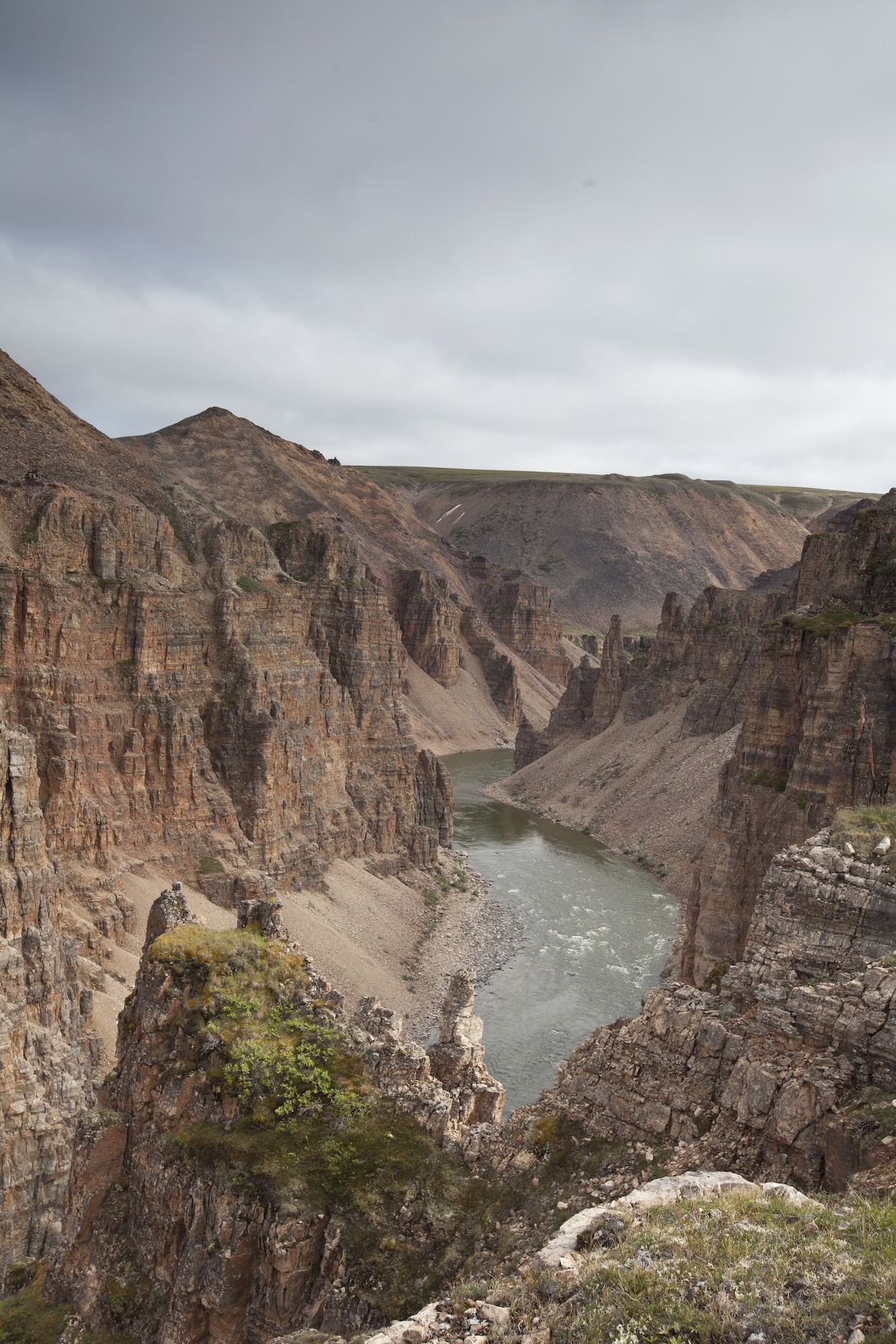
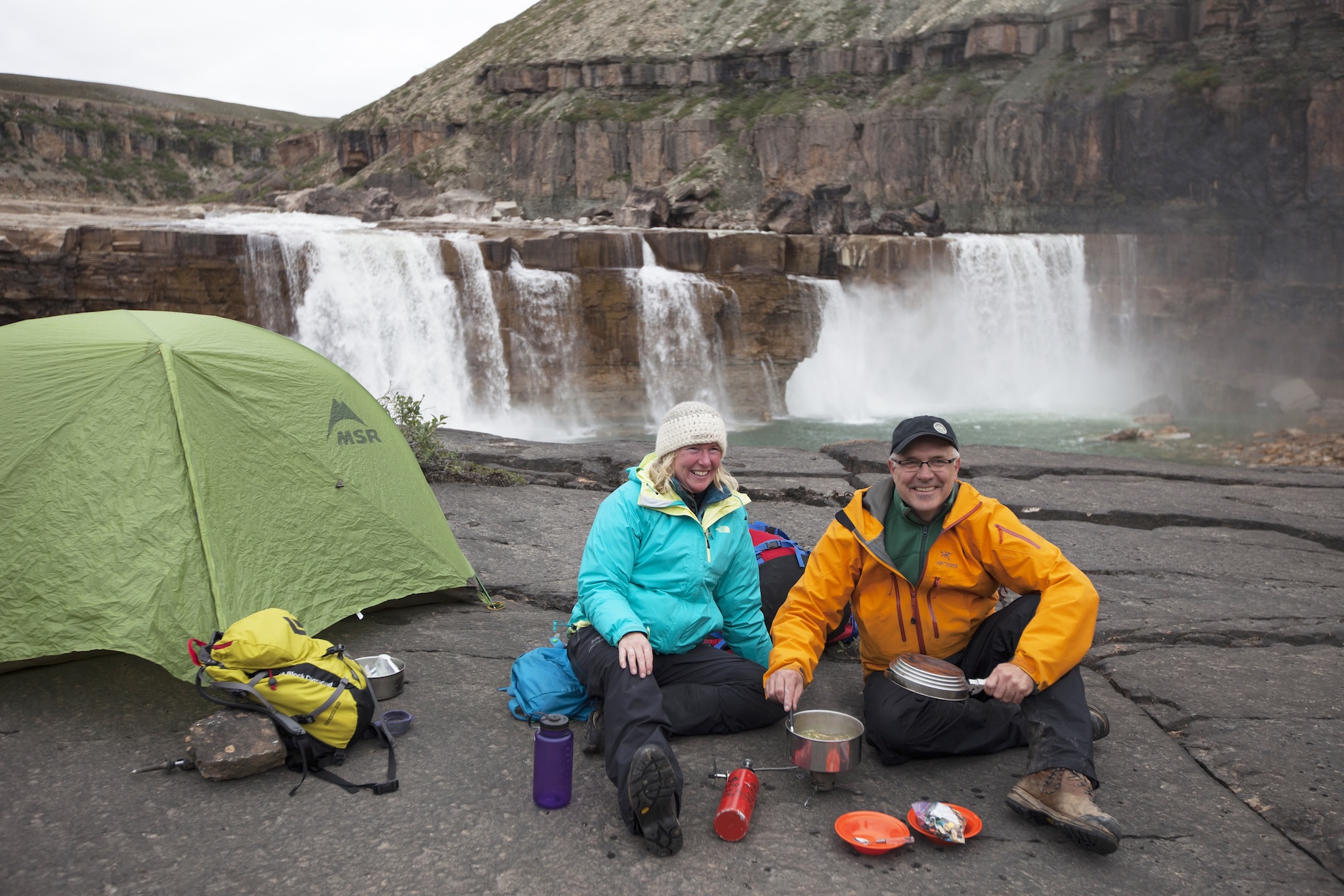
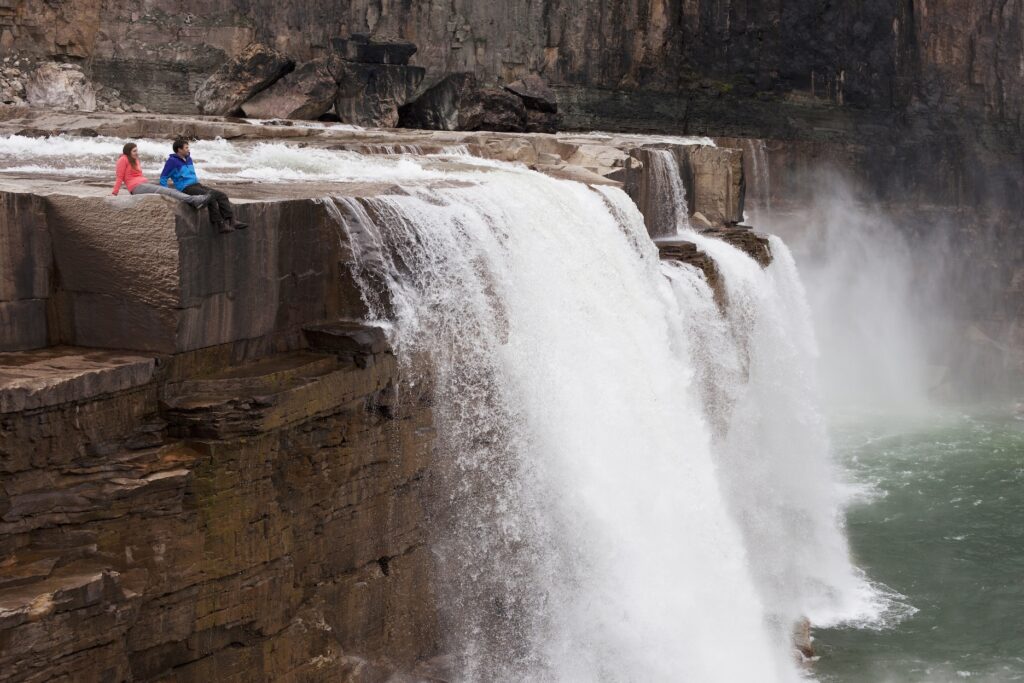
The landscape of Tuktut Nogait National Park is defined by the Hornaday and Brock River systems, which carve deep canyons through ancient rock across the tundra.
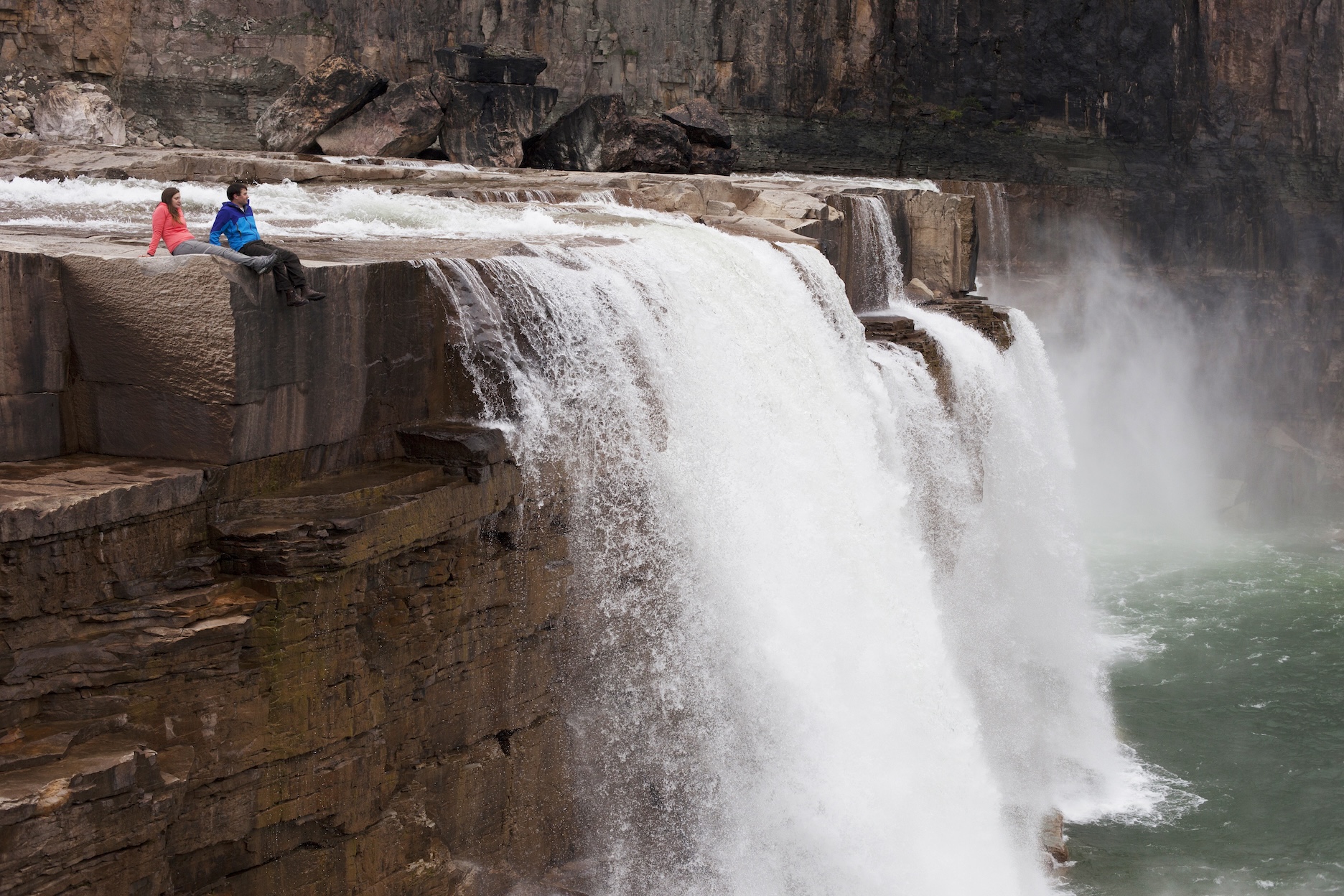
These Arctic river valleys create a striking mix of steep canyon walls, wide plateaus, waterfalls, and open Northern skies. In summer, tundra vegetation briefly colours the landscape, supported by nearly continuous daylight.
This is a place valued for Arctic trekking, photography, and remote wilderness travel, where distance is measured in river bends and terrain change rather than trails or roads.
Where Culture and Land Are Connected
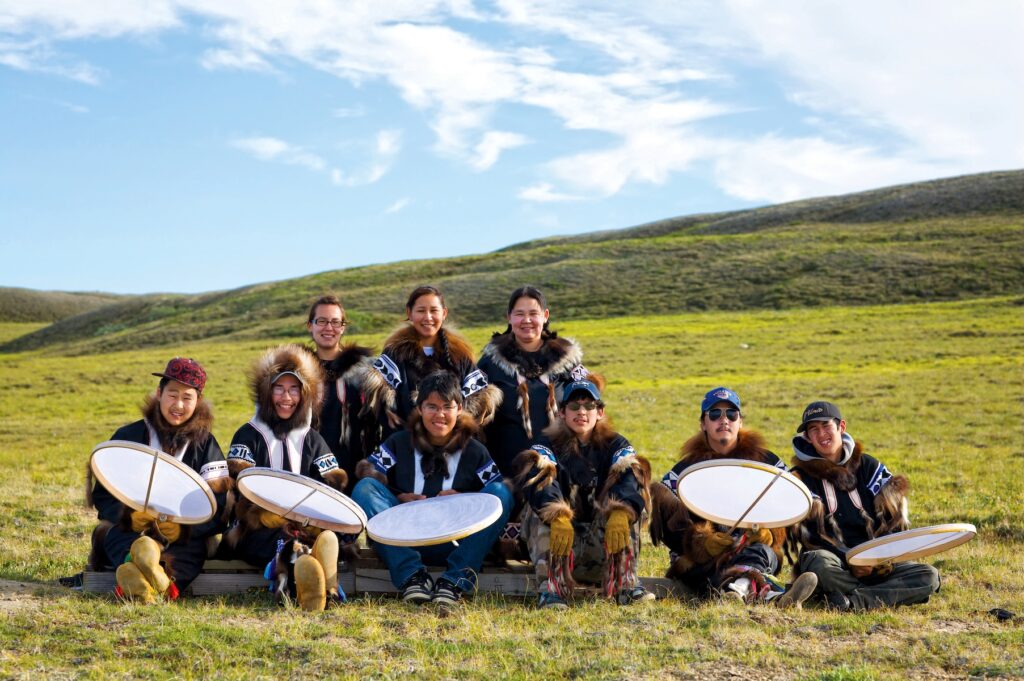
Tuktut Nogait National Park lies within the traditional homeland of the Inuvialuit. For generations, these lands have supported travel, harvesting, and cultural practices closely tied to caribou migration in the Western Arctic.
Today, the park is cooperatively managed with Inuvialuit partners, ensuring protection of both ecological and cultural values.
Visitors are expected to follow Leave No Trace practices in the Arctic, respect wildlife, and travel with care across this sensitive Northern environment.
When to Visit Tuktut Nogait National Park
Tuktut Nogait National Park has a short Arctic travel season shaped by weather, light, and wildlife movement.
The best time to visit is late June to early August, when rivers are open and tundra conditions support travel under the Midnight Sun. This is the prime season for wildlife viewing, hiking, and photography in Tuktut Nogait National Park, with summer temperatures typically ranging from 5°C to 15°C.
During this period, migratory birds arrive, tundra blooms briefly, and caribou movement increases across the region.
By late August, temperatures drop to between 0°C to 10°C, and the tundra shifts into autumn colours. Conditions become quieter and more variable.
Winter is extreme, often ranging from -20°C to -35°C, with colder periods below -40°C, limiting access to experienced Arctic travel only.
How to Visit Tuktut Nogait National Park
Access to Tuktut Nogait National Park is remote and requires planning. There are no roads into the park. Most visitors arrive by charter flight from Paulatuk or other Western Arctic communities.
Travel is typically arranged through experienced tour operators or independent backcountry planning focused on remote Arctic travel in Canada.
Visitors should be prepared for:
- Weather-dependent charter flights
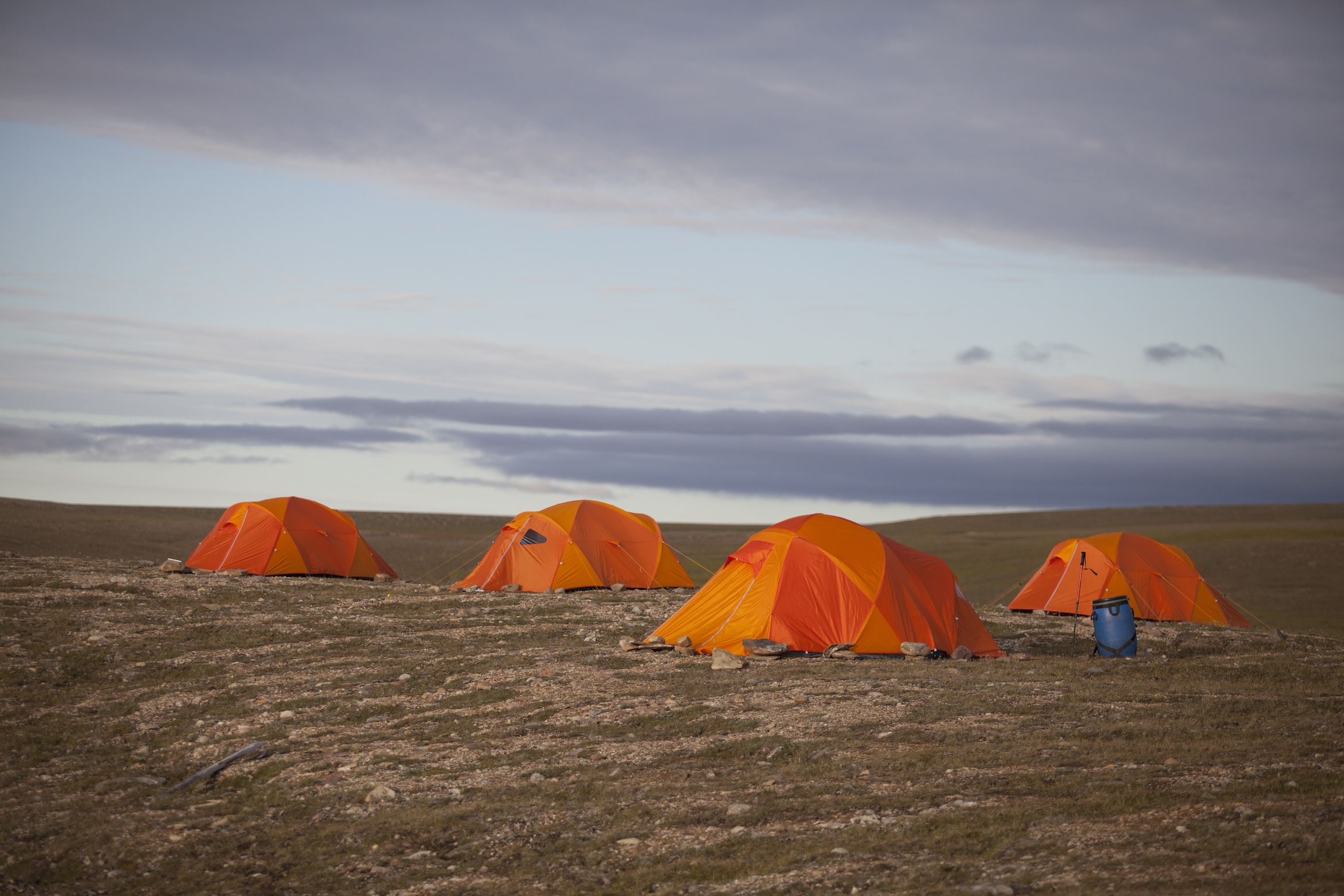
- Full self-sufficiency in the Northern wilderness
- No facilities or services in the park
- Wildlife safety and bear awareness
- Leave No Trace travel ethics
Preparation and flexibility are essential when visiting remote areas of the Northwest Territories.
Paulatuk and the Western Arctic Region
The community of Paulatuk is a key gateway to Tuktut Nogait National Park and an important centre in the Western Arctic.
Located along the Arctic coast, Paulatuk is an Inuvialuit community with deep cultural and environmental connections to the surrounding Northern landscape.
Many journeys into the park begin here, supported by local knowledge, charter logistics, and regional travel planning.