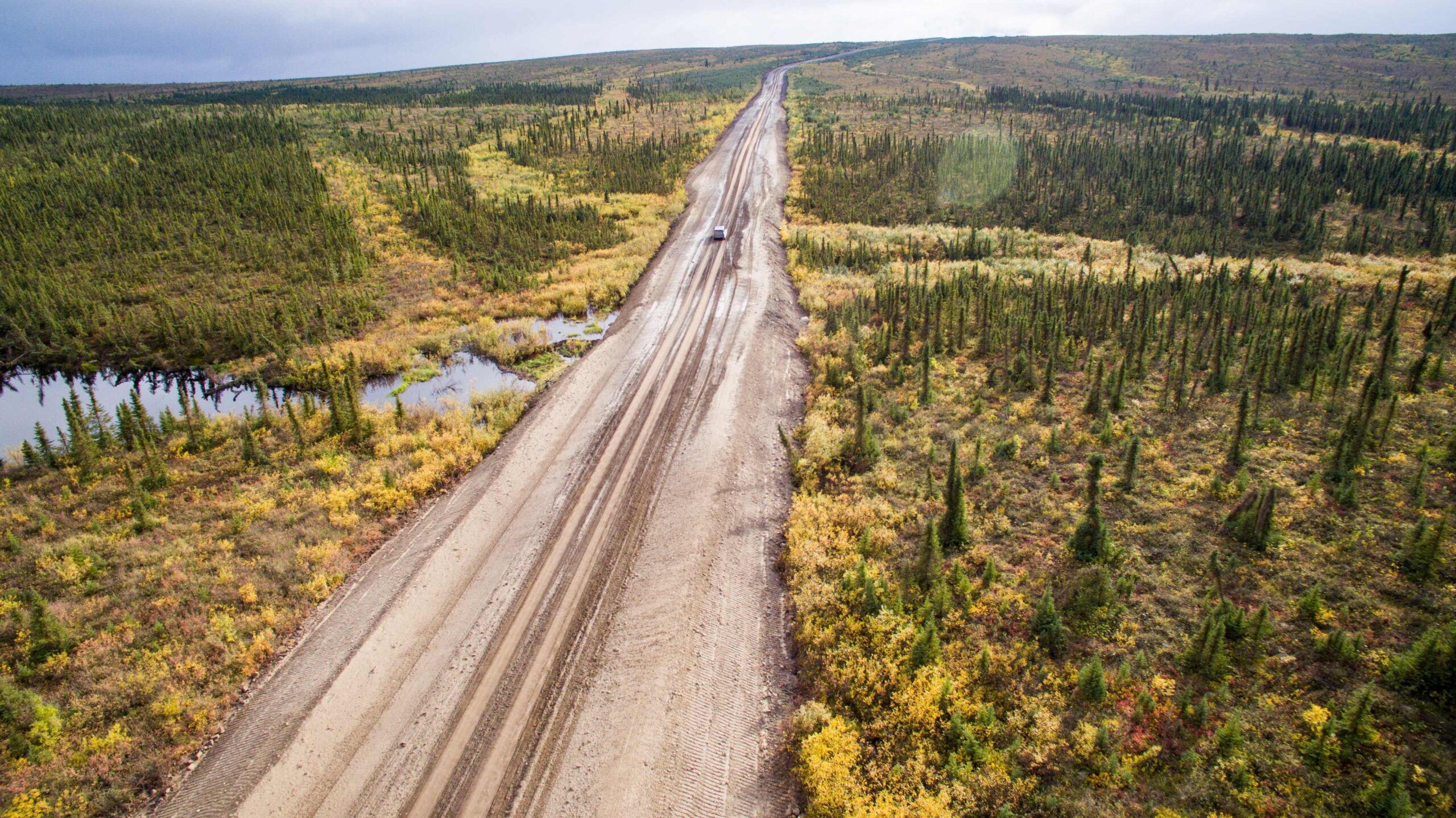
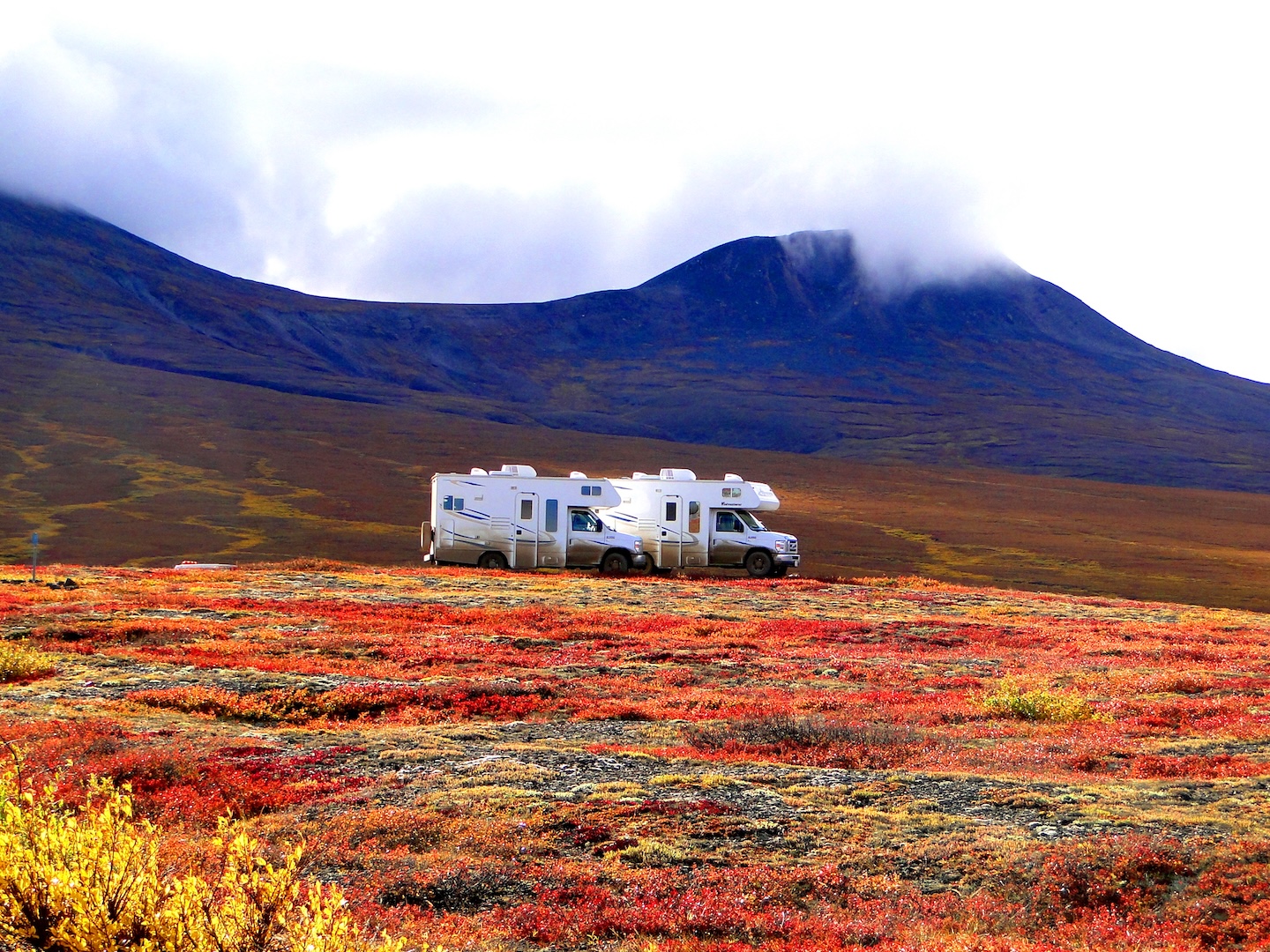
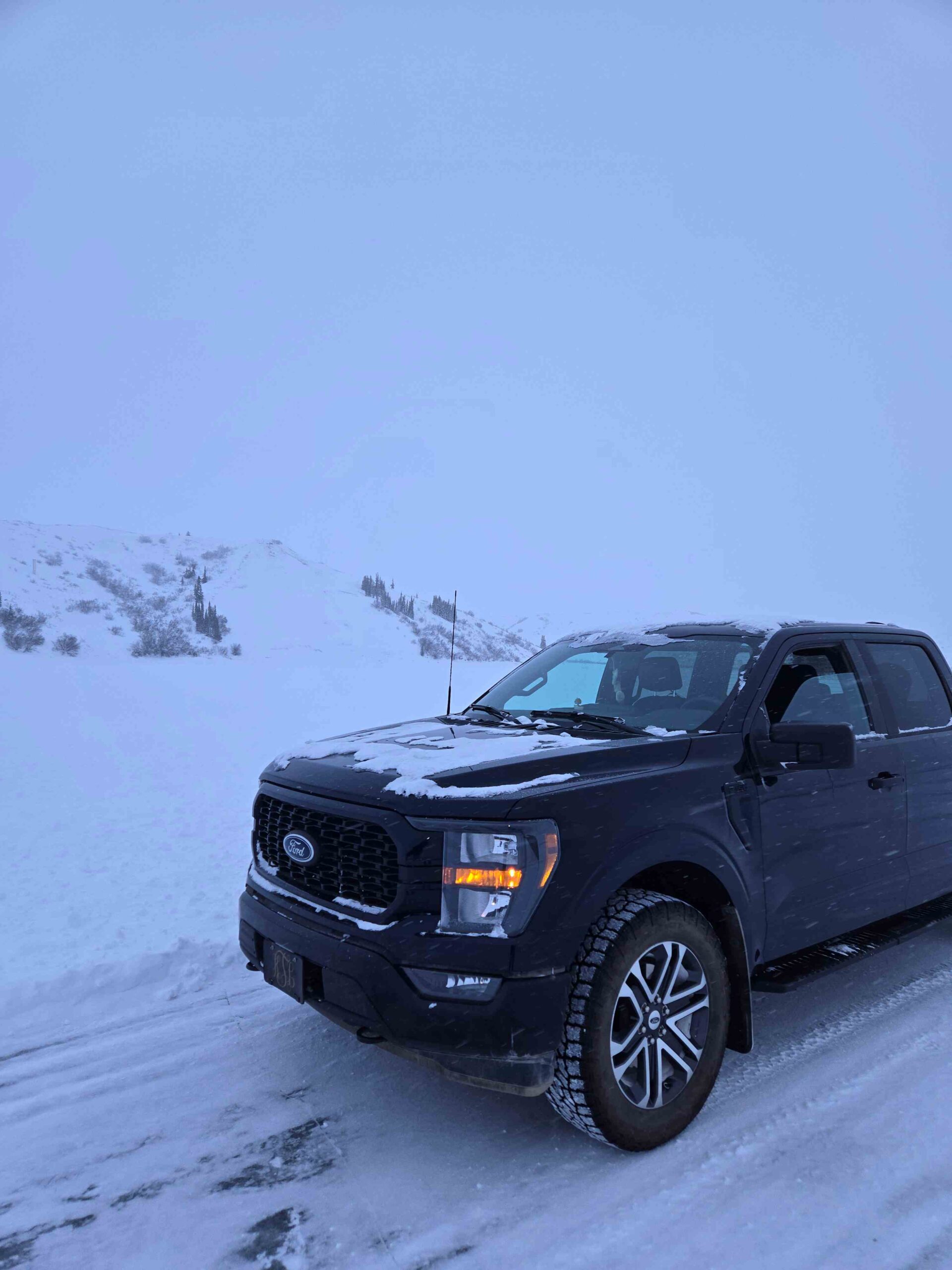
After leaving the Yukon, the Dempster Highway enters the Northwest Territories, where the landscape gradually opens and the Arctic environment begins to define the scenery.
A roadside marker signals the Arctic Circle, the latitude where summer brings the Midnight Sun and winter nights stretch long. Crossing this line highlights the subtle changes in light, land, and the rhythms of the North.
Wildlife sightings are a memorable part of the journey. Caribou may cross the flats, foxes and wolves roam the tundra, and grizzly and black bears live throughout the region and are sometimes seen during warmer months. Muskoxen appear more reliably near protected areas closer to the Arctic coast. Farther north, along the coast and near Tuktoyaktuk, polar bears are occasionally seen, particularly when sea ice is present. Together, these sightings reflect the diversity of wildlife across the Western Arctic.
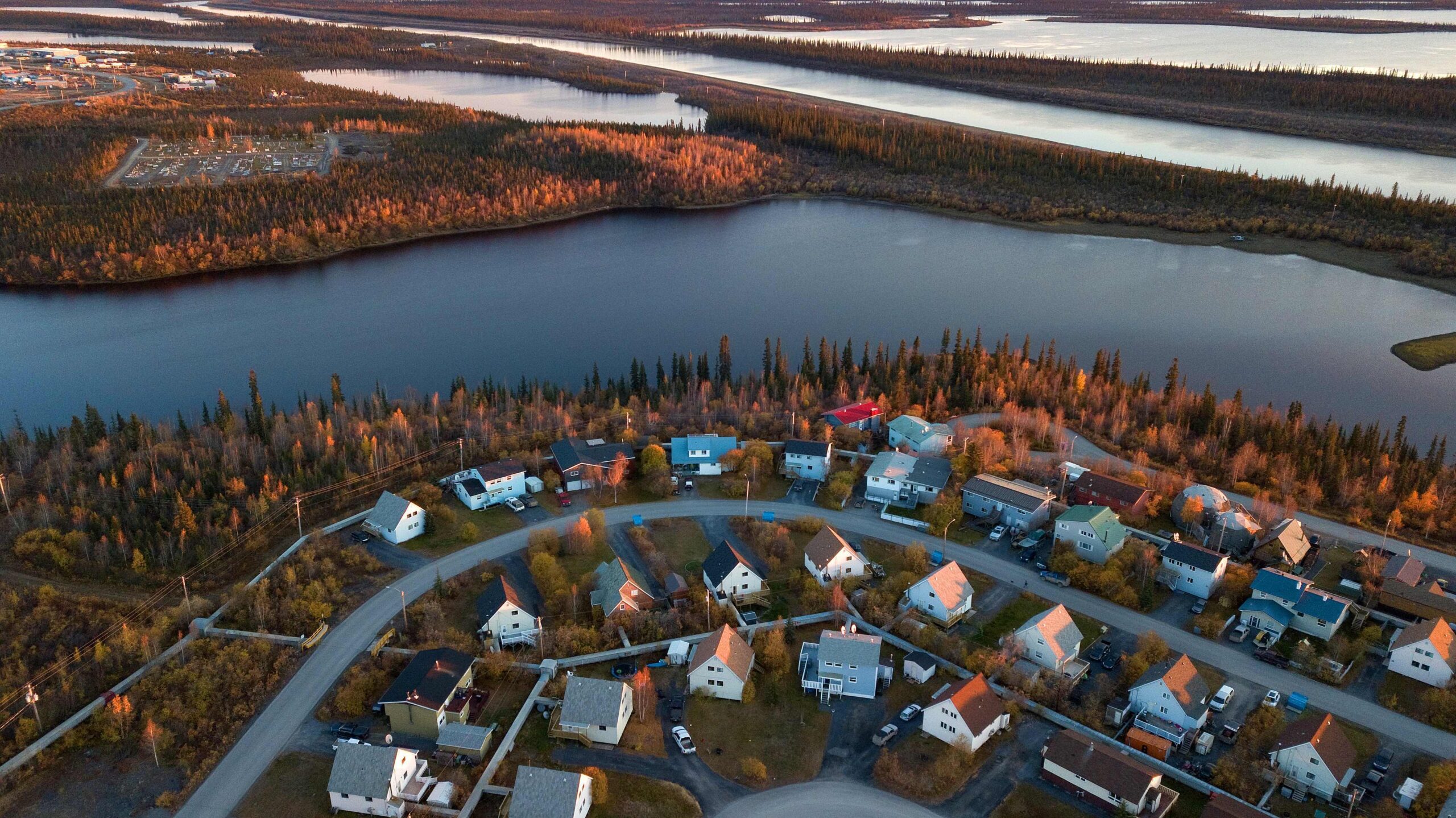
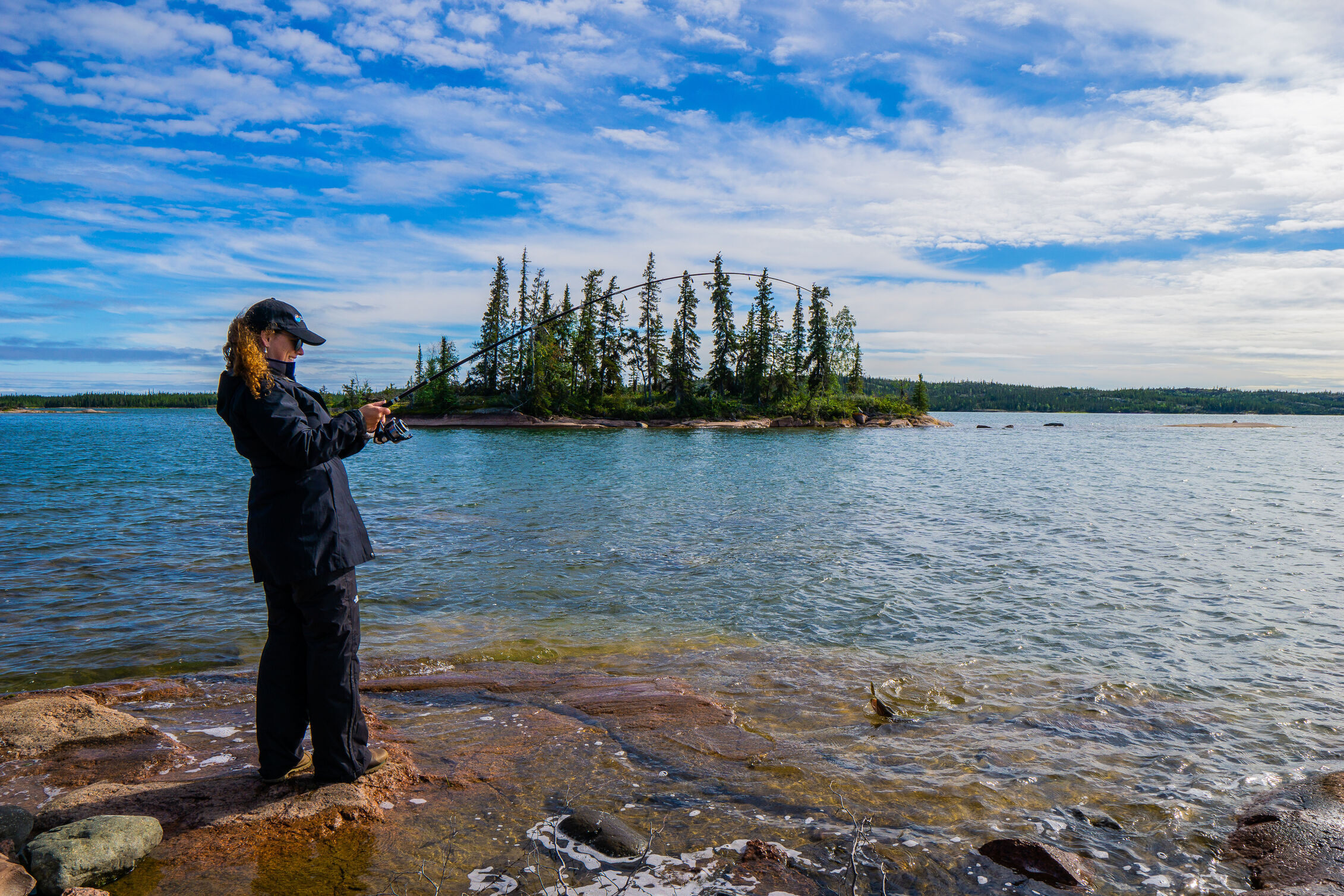
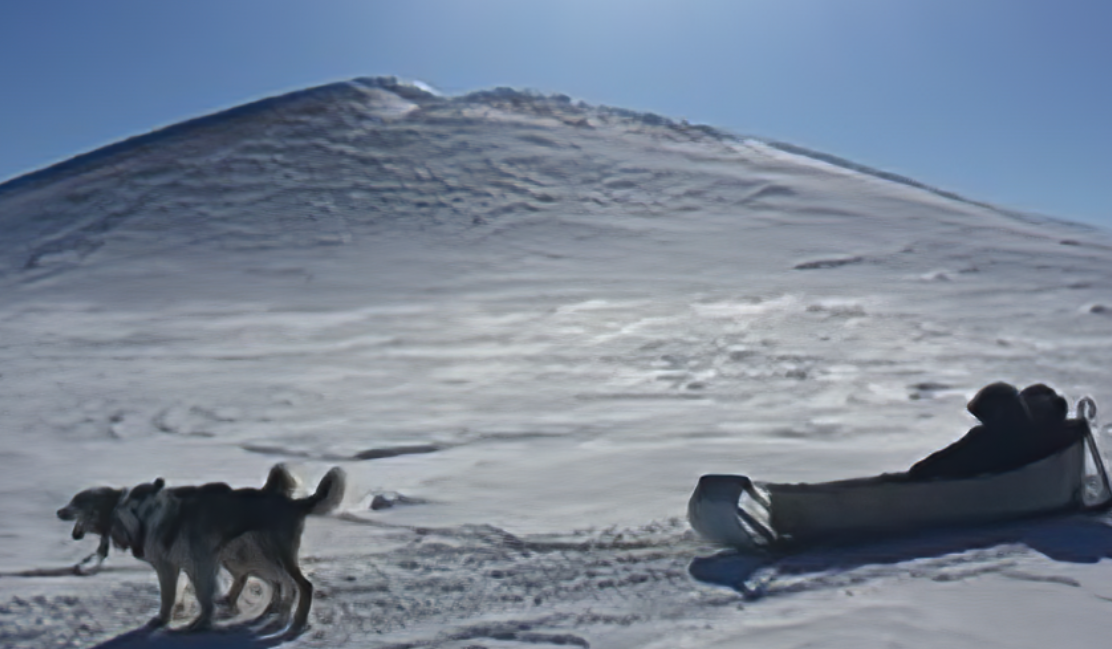
The road winds through the Richardson Mountains and open river valleys, passing lakes, channels, and marshes of the Mackenzie Delta. As the journey continues along the Inuvik–Tuktoyaktuk Highway, the landscape shifts to coastal tundra, dotted with lakes and wetlands, where the interplay of water, sky, and land creates a striking panorama.
Travellers pass Pingo Canadian Landmark, home to the world’s largest concentration of pingos. These ice-cored hills rise dramatically from the tundra, a surreal and unmistakable feature of the Arctic landscape.
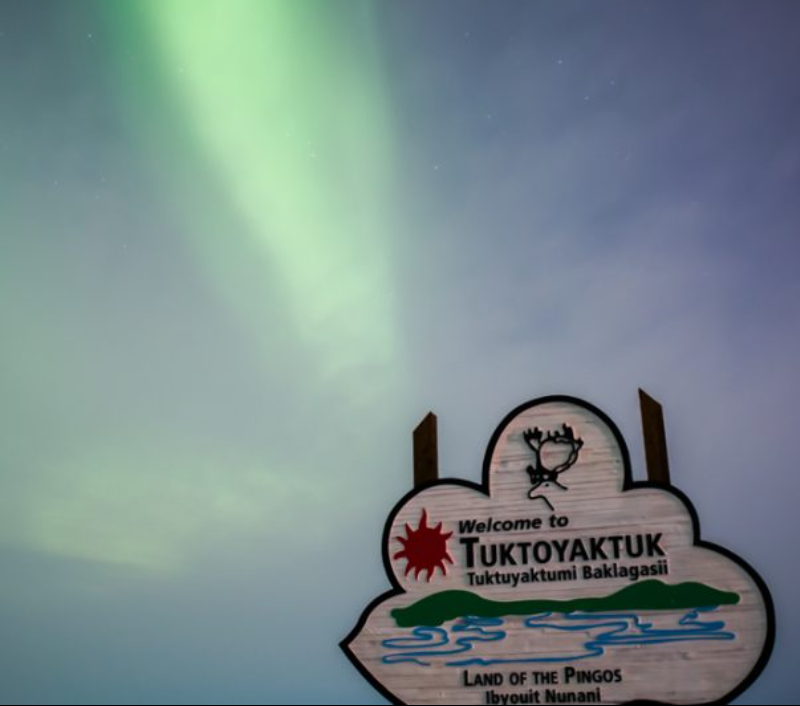
The route continues to Tuktoyaktuk and Canada’s Arctic Ocean, where driftwood-lined beaches and open horizon create a sense of scale and perspective unlike anywhere else in Canada. As you reach the Arctic Ocean and dip your toes in the crisp, cold water, the spectacular North reveals itself: vast, raw, and unforgettable.